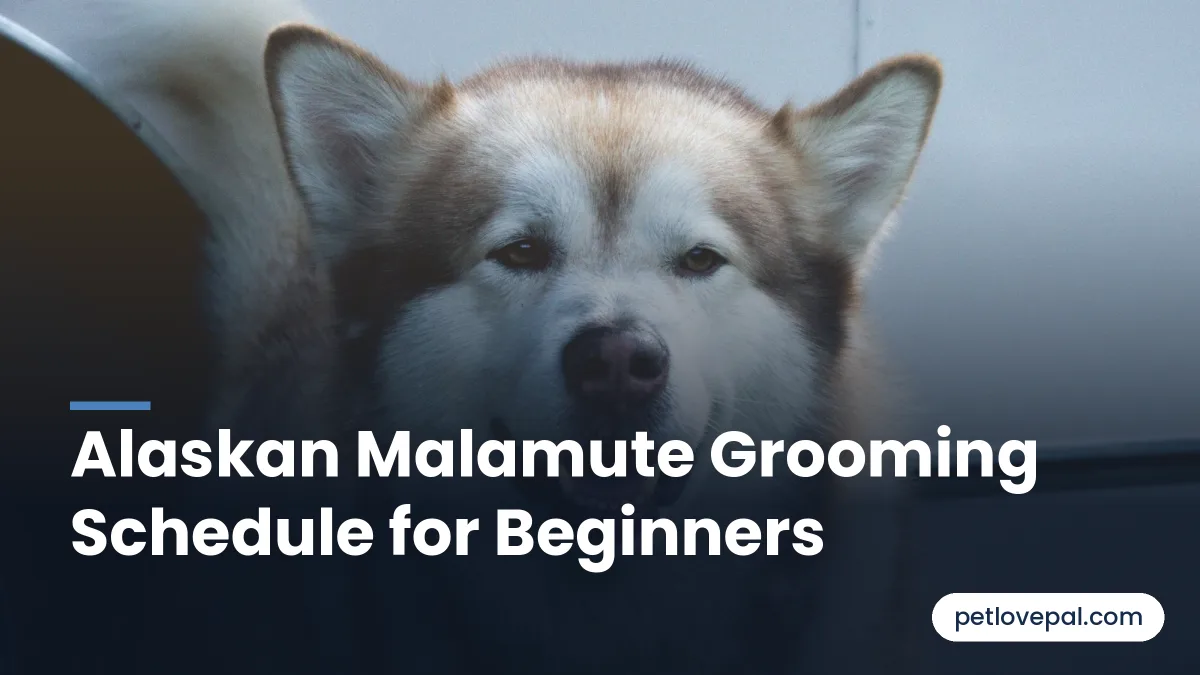
Alaskan Malamute Grooming Schedule for Beginners
As an Amazon Associate we earn from qualifying purchases. Guides are for general information; always check your owner's manual and consult a qualified mechanic when unsure.
Your alaskan malamute grooming schedule keeps the coat healthy. It also stops mats and skin issues. This breed has a thick double coat. The undercoat is dense. The guard hairs are coarse. You need a steady plan. A good schedule helps you stay on track. It makes grooming less of a chore. Your dog will feel better too.
Many new owners guess at grooming. They don’t know the shedding cycles. Malamutes blow their coat twice a year. That’s a big shed. Daily brushing helps during those times. A set schedule keeps things calm. Always follow official safety and maintenance guidelines for best results.
It builds trust between you and your dog. You will spot problems early. Skin gets checked each session. Nails stay short and safe. Ears stay clean and clear.
Why Alaskan Malamute Grooming Schedule Matters and Core Fundamentals
A set alaskan malamute grooming schedule matters a lot. This breed has a dense undercoat. Mats form fast if you skip days. Mats pull the skin tight. That causes pain and hot spots. A steady routine stops that.
You check the whole body each time. You see new lumps or bumps. You catch ticks or fleas early. Skin stays clean and healthy. The coat shines with regular care.
The AKC breed standard shows the double coat. It has guard hairs and soft undercoat. Shaving ruins this natural setup. It can cause permanent coat damage. A good grooming plan respects the coat. You remove loose fur with tools.
You don’t strip the guard hairs. The schedule keeps the oils spread. The coat stays water resistant. Skin stays cool in summer. The ruff and tail plume look full. Your dog moves with ease.
- Double Coat Care: The undercoat needs regular removal to prevent mats and overheating.
- Shedding Cycles: Malamutes blow coat heavily in spring and fall. Daily brushing helps then.
- Skin Health: Frequent checks spot hot spots, ticks, or irritation early.
- Coat Texture: The guard hairs keep the coat water resistant and insulated.
Essential Tools and Preparation for Alaskan Malamute Grooming Schedule
You need the right tools for an alaskan malamute grooming schedule. A cheap brush won’t work. This coat is thick and tough. Start with a quality undercoat rake. It grabs loose fur deep down. Add a slicker brush for the topcoat.
A pin brush helps with the feathering. You also need grooming scissors. Thinning shears work well for trouser feathering. A nail grinder or clipper is a must. Pick up ear cleanser and enzymatic toothpaste. A grooming table with a non-slip mat helps a lot.
Set up your space before you start. Pick a quiet room with good light. Place the table on a flat floor. Keep all tools close at hand. Have towels and a force dryer ready. A detangling spray helps with stubborn knots.
Start with clean, dry fur. Brush before you bathe. That removes loose undercoat first. The tools make the job faster. They also keep your dog safe. A calm setup reduces stress for both of you.
- Undercoat Rake: Removes dense loose fur without hurting the topcoat.
- Slicker Brush: Smooths the guard hairs and clears small tangles.
- Pin Brush: Works well on the longer feathering and ruff.
- Nail Grinder: Grinds nails down slowly and avoids the quick.
Step-By-Step Practical Methods That Work
A clear alaskan malamute grooming schedule breaks the work into steps. Start with the coat first. Use the undercoat rake against the grain. Work in small sections. Go slow over the hips and shoulders. These spots mat easily. Follow with the slicker brush.
Brush in the direction of hair growth. Use the pin brush for the mane and tail. The feathering on the legs needs care. Spray detangler on any knots first. Never pull hard on mats. Cut them out with safety scissors if needed.
Next, check the nails and ears. Trim nails every two weeks. Use the grinder for a smooth edge. Look for the quick in light nails. Dark nails need small cuts. Clean the ears with a gentle cleanser. Wipe out any wax or dirt. Brush teeth with enzymatic toothpaste.
Do this several times a week. A full bath comes every 6 to 8 weeks. Use a dog-safe shampoo. Rinse all soap out well. Dry the coat with a force dryer. This removes more loose fur. The session takes about one hour.
You can add steps based on your dog’s age. Puppies need gentle short sessions. Keep them positive and fun. Senior dogs may have stiff joints. Use a non-slip mat on the table. Watch for signs of stress. Stop if your dog gets anxious.
The goal is a calm, clean dog. A good routine keeps the coat healthy. It also strengthens your bond. You will learn your dog’s needs. The schedule becomes a habit. Both of you will enjoy it more.
- Coat First: Always brush the full coat before bathing to remove loose undercoat.
- Nail Care: Trim or grind nails every two weeks to keep them short and safe.
- Ear and Teeth: Clean ears weekly and brush teeth several times a week.
- Bath Day: Bathe every 6 to 8 weeks with a gentle dog shampoo.
Common Mistakes to Avoid and Expert Pro Tips
Many owners shave their malamute in summer. That seems smart. But it ruins the coat. The guard hairs grow back wrong. The undercoat gets patchy and thin. A malamute needs that double layer year round.
Another big error is brushing too fast. You rush through a 20-minute session in five minutes. That leaves mats behind. It also misses loose undercoat. A slow, steady pass works so much better.
- Never Shave: Cutting the coat short breaks the growth cycle. The topcoat thins out over time. The undercoat grows faster than guard hairs. You end up with a soft, fuzzy mess. That ruins the water-resistant texture.
- Skip the Slicker on Sensitive Spots: Slicker brushes catch on ear hair. They also snag on leg feathering. Use a pin brush for the face. Switch to a grooming glove for the belly.
- Don’t Bathe Too Often: Frequent washing strips natural oils. The coat turns dry and brittle. Aim for once every two months. Or only when your dog rolls in something smelly.
- Ignore the Nail Quick: Dark nails hide the quick. You can’t see the pink line. Trim tiny bits at a time. Use a grinder for better control. Keep styptic powder nearby just in case.
One pro tip is to brush after meals. Food particles fly onto the ruff. They stick to the oily guard hairs. A quick pass with a pin brush removes them. It also spreads skin oils down the shaft. That adds natural shine to the coat.
Another tip is to check the ears weekly. Malamutes grow hair inside the ear canal. That hair traps moisture and debris. It creates a perfect spot for yeast. Use a vet-approved ear cleanser. Gently wipe the outer fold. Never push cotton swabs deep inside.
Long-Term Maintenance and Best Practices
A grooming schedule works best when it fits your life. You don’t need to follow a rigid calendar. Watch your dog’s coat and skin. Adjust the plan with the seasons. Puppies need gentler handling than adults. Seniors need softer tools on sore joints.
Steadiness beats intensity. Five minutes of brushing daily beats one long session per week. It keeps mats from forming. It also lets you spot skin changes early. You will notice a new lump or a hot spot fast. That quick check can save a vet visit later.
- Puppy Start: Begin grooming when your pup is eight weeks old. Keep sessions short and fun. Pair brushing with treats and praise. This builds a positive habit for life. Your dog will learn to stand still on a table.
- Senior Adjustments: Older malamutes often have arthritis. Long grooming sessions cause pain. Break the routine into two short blocks. Use a soft grooming glove on achy joints. Check for mats over the hips. Those spots form fast when movement slows down.
- Seasonal Shifts: Spring and fall bring heavy coat blows. Increase brushing to every other day. Use an undercoat rake during peak shedding. A force dryer helps launch loose fur. You will see a dramatic difference in one session.
- Annual Vet Check: Your vet should examine the coat each year. They can spot skin infections early. They also check for parasites hiding in dense fur. A vet can advise on diet changes for coat health. Omega fatty acids support a glossy, strong topcoat.
Your alaskan malamute grooming schedule should grow with your dog. A puppy needs less work than a full-grown adult. A senior needs more gentle attention. Keep your tools clean and sharp. Dull scissors pull hair instead of cutting it. Replace worn pins on your brush every few months. Small upkeep makes a big difference over time.
How to Handle Seasonal Shedding Like a Pro
Alaskan malamutes shed heavily twice a year. Spring and fall bring big coat blows. You need to adjust your alaskan malamute grooming schedule then. Daily brushing becomes key during these weeks. A good undercoat rake pulls out dead fur fast.
Start with the undercoat rake first. Work in small sections on the hips. Move to the shoulders and chest next. Follow up with a slicker brush. This removes the loose topcoat too. Finish with a pin brush on the ruff.
Use a force dryer after brushing. It blasts out more dead fur. You will see a lot of hair come off. This is normal and healthy. Keep a lint roller handy for furniture. The shedding lasts about two to four weeks.
During peak shed, bathe your dog more often. A bath loosens the undercoat. It also lets you check the skin closely. Look for red spots or hot patches. Dry the coat fully after the bath. Moisture trapped in the fur can cause odor.
Diet also plays a role during shed. Add omega fatty acids to the food. Fish oil supports a healthy coat. It helps new fur grow in strong. A vet can suggest the right dose. Good nutrition makes the shed less intense.
- Peak Shed Tools: Undercoat rake, slicker brush, force dryer, and pin brush.
- Frequency: Brush daily during spring and fall blowouts.
- Bath Timing: Bathe mid-shed to loosen more dead fur.
- Nutrition: Add omega supplements to support coat health.
What to Do When Mats Won’t Budge
Mats happen even with a good schedule. They often form near the armpits. The groin area is another trouble spot. The ruff can also tangle easily. Don’t panic when you find one. Don’t try to pull it apart. That hurts your dog and damages the skin.
First, spray a detangling solution on the mat. Let it sit for a few minutes. Use your fingers to tease the edges. Work the mat apart gently. If it’s too tight, use grooming scissors. Cut vertically through the mat. Never cut horizontally. That can pull the skin and cause a cut.
For severe mats, you may need thinning shears. They cut some hairs but leave others. This blends the area back in. Go slow and use small cuts. Check your progress often. Stop if you see any redness.
Prevention is better than cure. Brush the trouble spots daily. The armpits and groin need extra attention. Use a pin brush on feathering areas. Spray detangler after walks if needed. Mud and burrs can cause new mats fast.
If mats keep coming back, see a pro groomer. They have the right tools and training. A groomer can shave out bad mats safely. They also show you how to prevent them. Regular brushing is still the best cure.
- Detangle First: Use spray and fingers to loosen the mat.
- Cut Vertically: Slice through tight mats with safety scissors.
- Use Thinning Shears: Blend the area after removing the mat.
- Seek Help: Call a pro groomer for severe cases.
Grooming Tools Compared for Alaskan Malamute Grooming Schedule
Not all grooming tools work the same. Some are better for thick undercoat. Others smooth the topcoat. You need a mix of both. Here is a quick look at the best options.
| Tool | Best For | How Often to Use | Notes |
|---|---|---|---|
| Undercoat Rake | Dense loose undercoat | During peak shedding | Use gentle strokes to avoid irritation |
| Slicker Brush | Topcoat tangles and small mats | 3 to 4 times per week | Avoid pressing too hard on skin |
| Pin Brush | Ruff, tail plume, and feathering | Daily or every other day | Great for spreading natural oils |
| Thinning Shears | Trouser feathering and blended cuts | As needed for shaping | Use with care near the skin |
| Nail Grinder | Smoothing nails and avoiding the quick | Every two weeks | Better control than clippers for dark nails |
| Force Dryer | Drying and removing loose fur | After baths and heavy brushing | Use on low heat to avoid burning |
Building a Puppy Grooming Routine That Lasts
Starting grooming early makes it easier later. A puppy learns that brushing is normal. Begin at eight weeks old. Keep the first sessions under five minutes. Use a soft brush and gentle strokes.
Pair grooming with positive rewards. Give treats after each session. Use a happy voice and calm touch. This builds a good association. Your puppy will learn to stand still on a table.
Start with just the pin brush. Let the puppy sniff the tool first. Brush the back and sides gently. Avoid the face and belly at first. Add new tools slowly over time. The goal is a calm, confident dog.
Set a fixed time for grooming each day. Morning sessions work well for many dogs. It becomes part of the daily routine. A young dog learns to expect it. This makes the alaskan malamute grooming schedule easier for years to come.
- Short Sessions: Keep puppy grooming under five minutes at first.
- Positive Rewards: Use treats and praise to build good habits.
- Slow Introductions: Add one new tool per week for best results.
- Fixed Time: Groom at the same time each day for steadiness.
Senior Malamute Grooming Adjustments for Comfort
Older malamutes need a softer approach. Arthritis can make standing painful. Long grooming sessions cause stress. Break the routine into two short blocks. Groom the front half first. Then do the back half later.
Use a soft grooming glove on sore joints. It applies gentle pressure and feels soothing. Check for mats over the hips. These spots form fast when movement slows down. Use a detangling spray to loosen them.
Senior dogs may also have dry skin. Avoid harsh shampoos. Use an oatmeal or aloe formula. Dry the coat fully after the bath. Moisture can cause itching and odor in older dogs.
Watch for signs of pain during grooming. Whining or pulling away is a warning. Stop the session and try again later. A vet can check for joint issues. Pain relief can make grooming much easier.
- Short Blocks: Split grooming into two short sessions per day.
- Soft Tools: Use a grooming glove for achy joints.
- Gentle Shampoo: Choose oatmeal or aloe for senior skin.
- Pain Signs: Stop right away if your dog shows discomfort.
Final Thoughts and Next Steps
Your alaskan malamute grooming schedule keeps your dog healthy and easy. A well-maintained coat protects against heat and cold. It also prevents painful mats and skin infections. Start with the right tools and a calm mindset. Short, regular sessions beat long, stressful ones every time.
Watch your dog’s coat change with the seasons. Adjust your tools and frequency as needed. Check the ears, nails, and teeth each week. These small habits add up to a long, happy life for your malamute. Stick with your routine and your dog will thank you with a bright, healthy coat.






3 Comments